
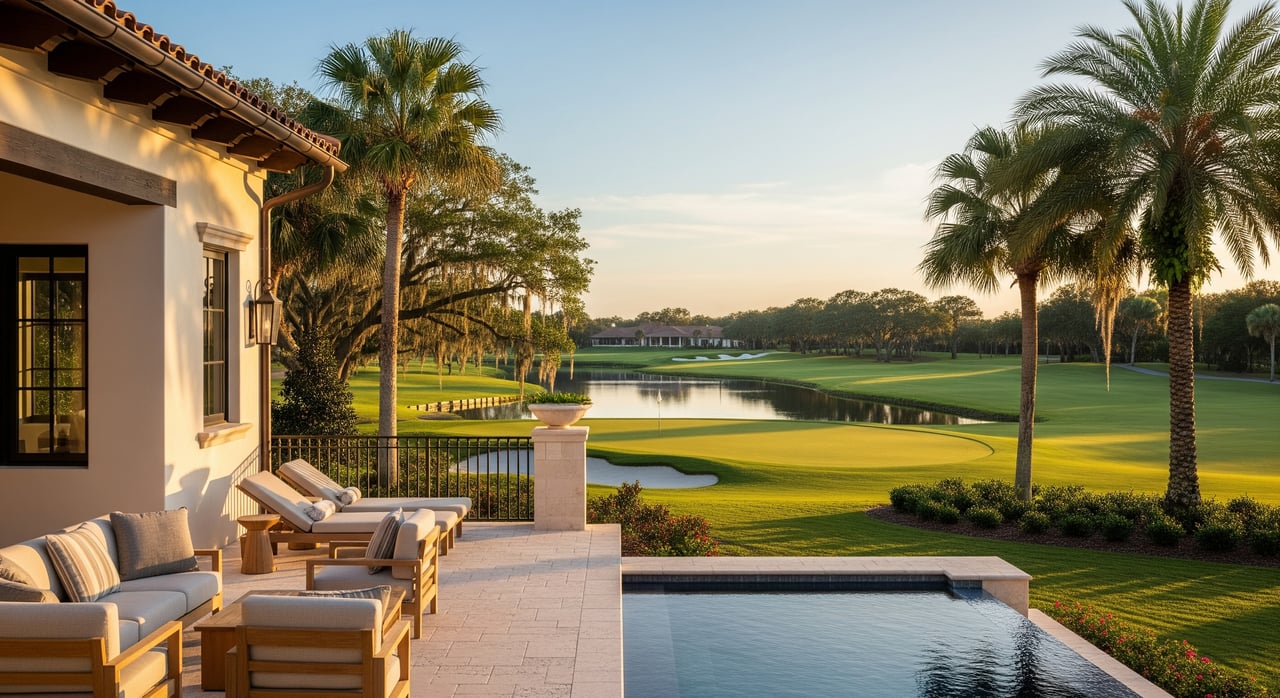
You want the Tampa golf lifestyle without guesswork. With so many clubs, memberships, and neighborhoods to compare, it can be hard to see what truly fits your routine and long-term plans. This primer walks you through the core choices a luxury buyer faces in Hillsborough County, from club culture and commute times to fees, flood risk, and resale. By the end, you will know how to narrow your list and approach tours with confidence. Let’s dive in.
Tampa offers a wide range of golf-centered living, from gated private country clubs to master-planned communities and urban clubs near downtown. You will find equity clubs that members own, proprietary clubs run by a developer or company, semi-private setups, and neighborhoods that border municipal courses. Each option changes your daily rhythm, budget, and access.
Year-round playability is a major draw. Clubs often run full calendars of tournaments and social events. Course conditioning and storm preparedness are ongoing priorities in Florida, which can influence both dues and homeowner costs.
Amenities drive lifestyle. Look beyond the scorecard to the parts of the club you will use most week to week.
You will find 18-hole championship courses, practice ranges, short-game areas, and on-course services like carts or caddies. Tee-time priority, booking windows, and limits on outside play matter for serious golfers. Ask about tournament calendars and guest policies if you host often.
Clubhouse dining ranges from casual family spots to fine dining. The event calendar sets the tone, with member mixers, themed dinners, and charity events common. If you want a lively scene, ask for the monthly calendar during your tour.
Most luxury buyers expect racquet sports, fitness studios, pools, and kids’ programming. Confirm whether amenities are member-only or available to residents without full golf. Service standards, class schedules, and coaching availability vary widely.
Tampa’s golf communities offer everything from golf-front estates to maintenance-included homes and carriage-style residences. Lot size, view corridors, and community rules all affect value.
Fairway and green views often carry a price premium. Weigh that against privacy and noise during peak golf hours. Review cart path locations, buffer easements, and landscaping rules before you write an offer.
Newer communities can include modern designs and fresh infrastructure. Established clubs may have stronger trees and course character, but also older roofs or systems that need updates. Compare HOA covenants, assessment history, and any planned capital projects that could affect dues.
Your ideal tee time should fit the rest of your day. In Tampa, drive times vary by corridor and rush-hour patterns.
Hillsborough County spans urban Tampa to Lutz and Temple Terrace. Expect roughly 5 to 35 minutes to downtown depending on the community, and 20 to 45 minutes to Gulf beaches in typical conditions. Tampa International Airport is accessible from most corridors, but traffic spikes during peak business hours.
Use these examples to frame your search. Always confirm current membership terms, boundaries, and fees with the club and association before you proceed.
A long-established, gated private country club known for privacy and strong security. Expect estate homes on large lots and a formal club culture with a robust social calendar. Resale inventory can be limited, which helps support values. Drive times to downtown often range from 20 to 35 minutes depending on traffic.
A traditional urban-club experience serving established South Tampa neighborhoods. Lifestyle benefits include proximity to downtown, restaurants, and shops, with active social and tennis programming. Housing ranges from classic bungalows to luxury infill. Downtown is often 5 to 15 minutes away, with beaches generally 10 to 30 minutes.
A master-planned community with a private or club golf facility and broad amenities. The neighborhood rhythm leans suburban with parks and community programming. Housing ranges from townhomes to gated single-family enclaves. Commutes typically run about 20 to 30 minutes to downtown along major corridors.
A mix of city-owned municipal golf options and private clubs in the broader area. This location offers easier access to the University of South Florida and East Tampa. Housing spans mid-century homes to newer infill and is often more affordable than gated country clubs. Many spots sit 10 to 25 minutes from downtown depending on exact address.
Master-planned gated communities built around private golf facilities, often with larger lots and a full country-club lifestyle. The feel is family-focused with strong on-site amenities and events. Custom estates are common in certain enclaves. Downtown commutes vary, frequently 25 to 40 minutes by corridor and time of day.
Note: Some desirable golf neighborhoods sit near county borders. If you want to remain strictly within Hillsborough County, verify the parcel location with the county property appraiser.
Before you fall in love with a view, clarify the financial picture and access rules.
Gather three documents as soon as possible: the HOA covenants, the club membership agreement and bylaws, and the seller’s recent dues and assessment statements. Use the checklist below during tours and negotiations.
Florida has no state income tax, which can improve overall affordability for high-net-worth buyers moving from other states. Hillsborough County assesses property taxes, so compare millage rates and exemptions with your advisor. For coastal and wind risk, insurers may require wind mitigation features. Flood exposure varies by neighborhood, so obtain elevation certificates and review FEMA maps as part of your inspection process.
If schools factor into your decision, confirm current public school assignments with the district and research private school options. Keep language neutral and focus on proximity and logistics rather than ratings. For development outlooks, monitor county planning documents that may add new roads or nearby subdivisions.
Start with lifestyle fit, then layer on access, cost, and risk. Identify two to three membership models that suit how you will actually live. From there, tour specific homes that align with your view preferences and privacy needs, and compare fees side by side. The right community will feel natural on a typical weekday, not just on a perfect Saturday.
When you are ready, we can help you secure the documents that matter, pressure-test commute times, and surface opportunities that match your lifestyle. Connect with Florida Golf & Beaches to Request a Private Consultation.
Stay up to date on the latest real estate trends.
March 24, 2026
March 5, 2026
February 19, 2026
February 5, 2026
January 15, 2026
January 1, 2026
December 18, 2025
December 4, 2025

November 21, 2025
Florida Golf & Beaches is a leader among the most prestigious real estate companies in Orlando. Having listed and sold the most expensive home in Central Florida, we can help you market and sell your home for it’s highest possible value, or we can help you find your ideal residence in sunny Florida’s most splendiferous communities as we have done consistently for more than two decades.