
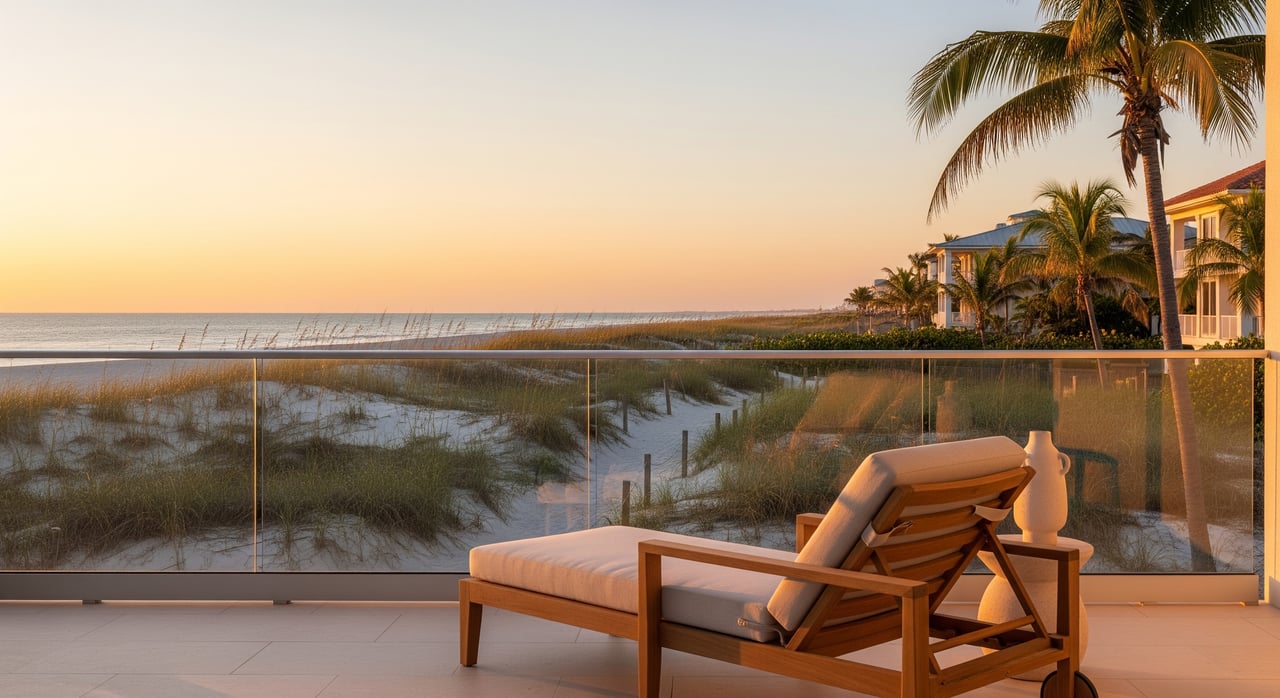
Sunset over white sand, a morning walk to coffee, and an afternoon boat ride across the bay. If that sounds like your ideal day, St. Pete Beach may be a fit. Choosing the right coastal enclave is about more than a view, it is about daily rhythm, building rules, and how you like to live. In this guide, you will learn where the walkable pockets are, how condo living compares with bayside homes, what seasonality means for your lifestyle, and the key checks to protect your investment. Let’s dive in.
St. Pete Beach is a barrier‑island city in Pinellas County on Florida’s Gulf Coast. The Gulf of Mexico frames the west side, with Boca Ciega Bay and Tampa Bay to the east. Gulf Boulevard is the main coastal corridor that ties the island together.
The built environment blends low‑rise historic streets, mid‑century and modern condo towers, and pockets of single‑family homes, many on canals with docks. Summers are hot and humid, winters are mild, and hurricane season typically runs June through November.
At the southern tip, Pass‑a‑Grille offers a historic, village feel with a compact beach promenade. You can stroll to boutique shops, cafes, and small galleries, and step onto the sand in minutes. Buyers choose this area for its walkable scale and easy beach access.
Corey Avenue is the central commercial spine with dining, nightlife, galleries, and local services. Nearby mid‑rise condos and small buildings appeal to condo buyers who want a lively scene within a short walk.
North of Corey Avenue, these quieter residential blocks mix single‑family homes, duplexes, and small condo buildings. You are close to public beach access points and neighborhood parks.
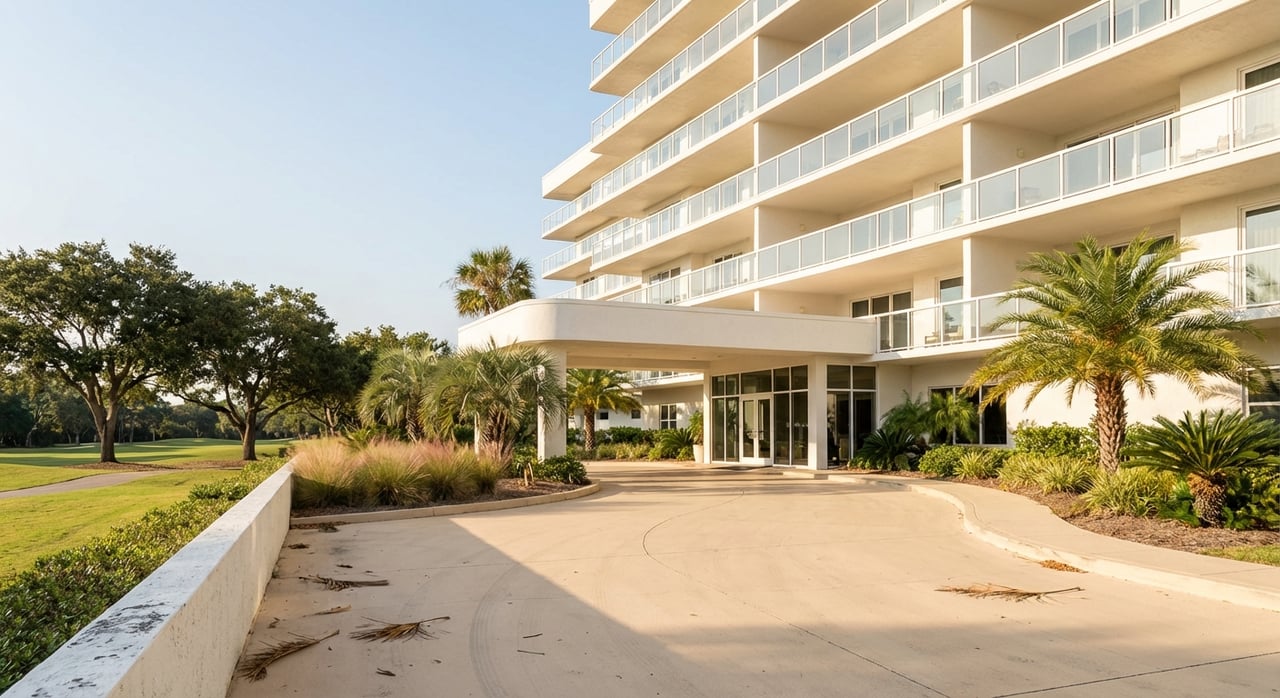
Along Gulf Boulevard, you will find beachfront condos and resort‑style buildings. Penthouses and corner residences command premium views and pricing. Services can include concierge, pools, fitness centers, and secure parking.
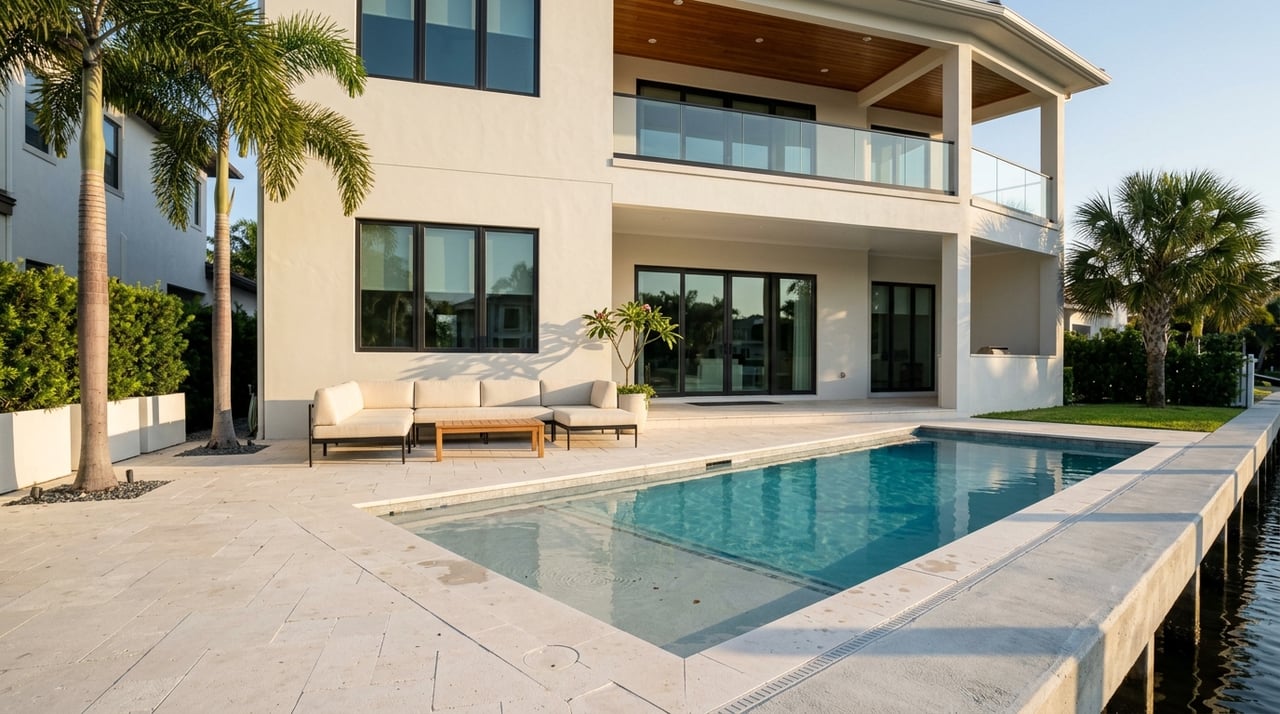
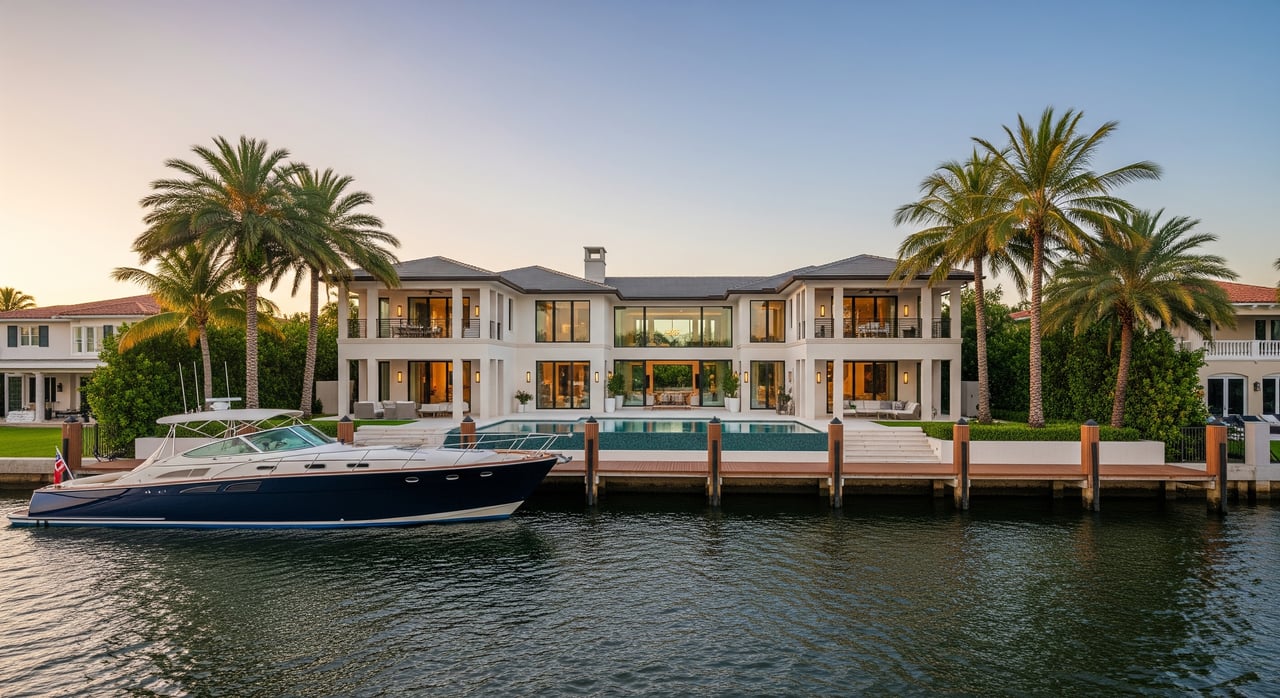
On the bay and canal side, single‑family homes often include private docks and direct access to Boca Ciega Bay. This is a strong fit if you value boating, privacy, and more land.
Condos dominate the true Gulf‑front experience. Expect association governance, monthly dues, and building rules on rentals and pets. Review reserve funds, insurance structure, and any special assessments, especially for storm repairs or major capital projects.
Waterfront homes offer space, privacy, and dock access. Ownership brings yard care, seawall upkeep, and permits for docks. Location can influence wind and surge exposure, which affects insurance and risk.
Townhomes and small multi‑unit buildings provide more space than many condos with less maintenance than a detached home. Some resort or hotel residences include on‑site services and may allow fractional ownership or short‑term rental programs. Always verify the legal structure and income allocation.
In luxury coastal markets, cash purchases are common, and jumbo financing is available with documentation and stricter debt‑to‑income criteria. Lenders often review condo projects for owner‑occupancy ratios, investor concentration, reserve health, litigation, and building condition. FHA and VA approvals for condo projects are limited, so confirm the project’s eligibility early if you plan to use these loans. Title policies and lenders typically require flood and wind coverage.
Much of the island sits in FEMA flood zones. Obtain the property’s flood zone and elevation, then get quotes for flood and windstorm insurance. You can explore official maps through the FEMA Flood Map Service Center. For storm‑season planning and preparedness, monitor National Weather Service hurricane guidance.
Mitigation features can reduce premiums and add peace of mind. Fortified roofs, impact‑rated windows and doors, and shutters may qualify for credits. Florida’s wind‑resistant building codes are rigorous, and many buildings have retrofits in place. For statewide insurance context and consumer resources, review the Florida Office of Insurance Regulation.
Pass‑a‑Grille gives you a pedestrian village experience with cafes, boutiques, and small galleries. Corey Avenue delivers a denser corridor with restaurants, markets, and nightlife. For major museums, theaters, and broader cultural programming, downtown St. Petersburg is a short drive across the causeways. For trip ideas and regional highlights, see Visit St. Pete/Clearwater.
Peak season runs winter through spring, when part‑time residents and visitors arrive. Expect busier beaches, longer restaurant waits, and tighter parking during holidays and weekends. Summer is off‑peak with heat, humidity, and active hurricane season, and some businesses adjust hours.
Noise levels and neighborhood energy can shift with the seasons. In‑season, the social scene is lively and tourist‑oriented in many pockets. Off‑season, streets often feel quieter and more local. Choose the rhythm that fits how you like to live.
Short‑term rentals exist across condos and homes, but rules vary by association and by local ordinances. Some buildings limit or prohibit STRs, while others allow them. Review governing documents and confirm local permits and taxes with the city and county before you buy or market a rental.
Start with the City of St. Pete Beach for municipal code and permitting, and review Pinellas County guidance, including tourist tax requirements, through the Pinellas County site. STR income is seasonal, so evaluate building‑specific occupancy patterns, fees, and management costs if revenue is part of your plan.
St. Pete Beach offers easy access to the broader region. Downtown St. Petersburg’s arts and dining scene is a short drive over the causeways. Regional travel is straightforward via St. Pete–Clearwater International Airport and Tampa International Airport.
If you want daily access to white sand beaches, Gulf sunsets, and a relaxed coastal pace, St. Pete Beach delivers. Your ideal fit will come down to walkable village life in Pass‑a‑Grille, condo convenience near Corey Avenue, or a bayside home with a private dock. The right advisory team can help you weigh lifestyle, association rules, insurance, and seasonality so you choose with confidence.
Ready to refine your short list or arrange private showings? Connect with Florida Golf & Beaches to Request a Private Consultation. Our team pairs boutique, white‑glove service with global reach to help you secure the right coastal property.
Stay up to date on the latest real estate trends.
April 2, 2026
March 24, 2026
March 5, 2026
February 19, 2026
February 5, 2026
January 15, 2026
January 1, 2026
December 18, 2025
December 4, 2025
Florida Golf & Beaches is a leader among the most prestigious real estate companies in Orlando. Having listed and sold the most expensive home in Central Florida, we can help you market and sell your home for it’s highest possible value, or we can help you find your ideal residence in sunny Florida’s most splendiferous communities as we have done consistently for more than two decades.